- CNC & laser Cut
- Custom Vector
- Free designs
- Custom Digitizing
- Custom SVG
- CNC & laser Cut
- Custom Vector
- Free designs
- Custom Digitizing
- Custom SVG
- CNC & laser Cut
- Custom Vector
- Free designs
- Custom Digitizing
- Custom SVG

MENU
Case Study•Back to Case Studies
Jump Stitch Issue Resolved by Using a Different File Format.
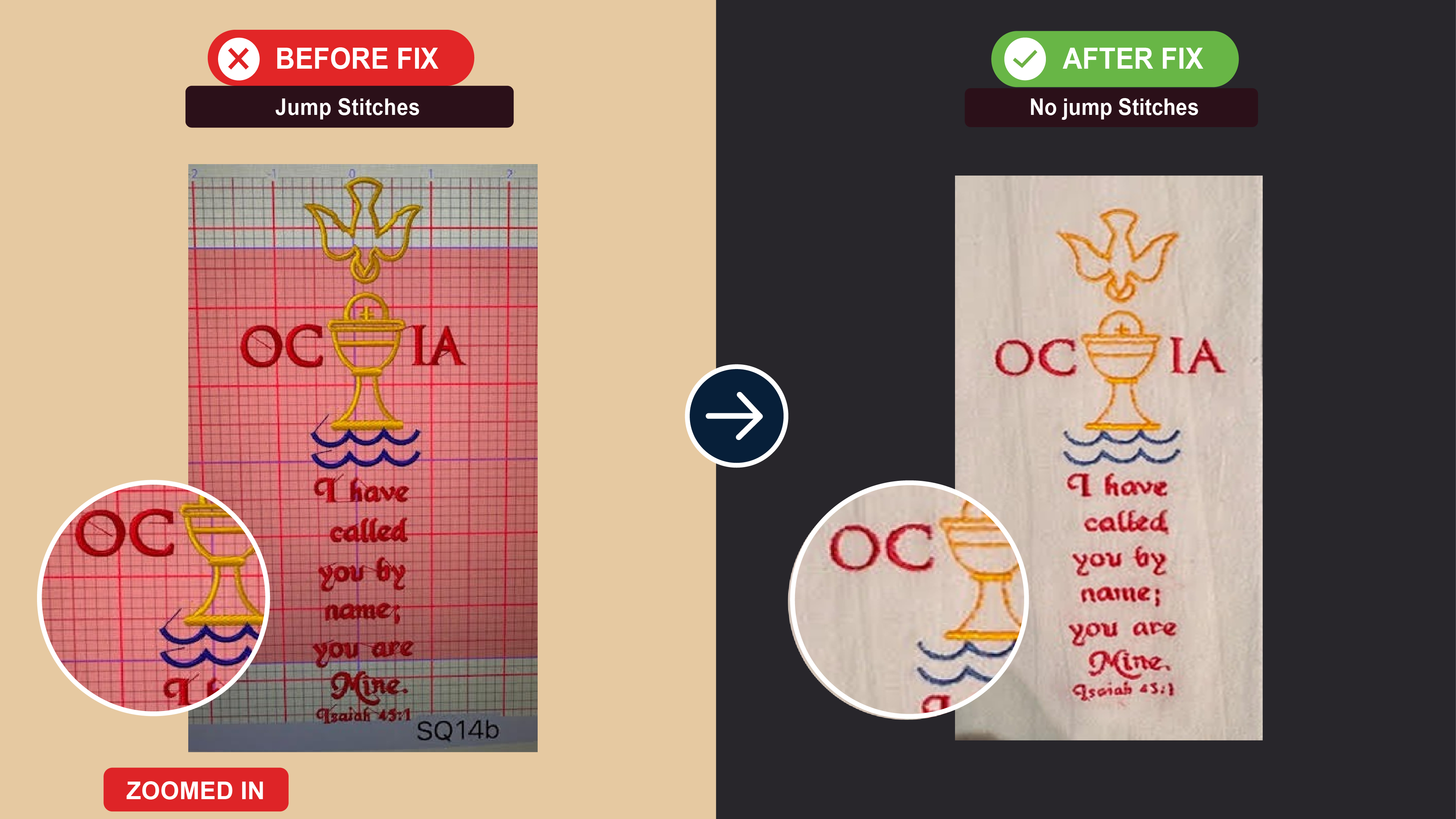
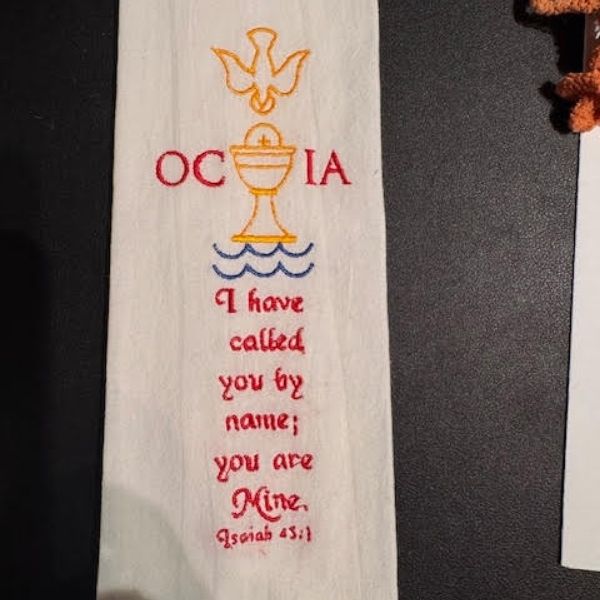
The client received a 7.5 inch embroidery design and completed a test stitch-out. While the design stitched well overall, there were unexpected jump stitches and tie-offs that affected the final finish.
Featured image used as case study image.
The Problem
The client noticed extra jump stitches and tie-offs during the stitch-out. Although the design itself looked correct, these additional trims made parts of the embroidery appear less clean and slightly messy
What We Found
After reviewing the stitch-out and discussing the setup, we first tested the design on our own machine. The design stitched cleanly without any extra jump stitches or tie-offs, confirming that the digitizing was correct.
We then analyzed the client’s setup and found that the issue appeared when the file was processed inside their embroidery software. The PES file introduced additional jump stitches and tie-offs due to how the machine interpreted the format. When tested using the DST file, those extra stitches were not present.
We then analyzed the client’s setup and found that the issue appeared when the file was processed inside their embroidery software. The PES file introduced additional jump stitches and tie-offs due to how the machine interpreted the format. When tested using the DST file, those extra stitches were not present.
What We Did
• Reviewed the stitch-out shared by the client
• Tested the design in multiple file formats
• Identified the difference in machine behavior between PES and DST
• Guided the client to use the DST version for testing
• Provided support to ensure correct usage
• Tested the design in multiple file formats
• Identified the difference in machine behavior between PES and DST
• Guided the client to use the DST version for testing
• Provided support to ensure correct usage
Why It Worked
DST files are more direct and are interpreted differently by embroidery machines. In this case, the DST format avoided unnecessary trims and tie-offs that were being added by the PES processing. This resulted in a cleaner stitch path and smoother execution.
Final Results
- Design stitched cleanly
- No unwanted jump stitches
- Tie-offs eliminated
- Smooth machine performance
- Clean and professional final output
Client Feedback
"“Ran this on a scrap towel, works perfectly. Thanks for sticking with me!”"
— John
Project Gallery
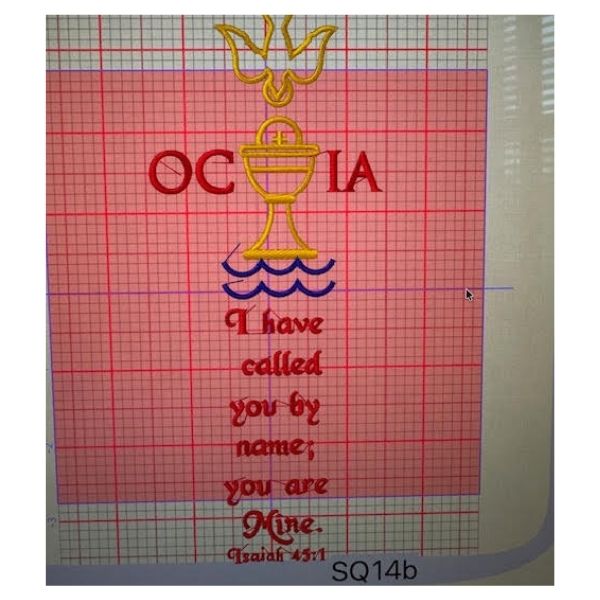
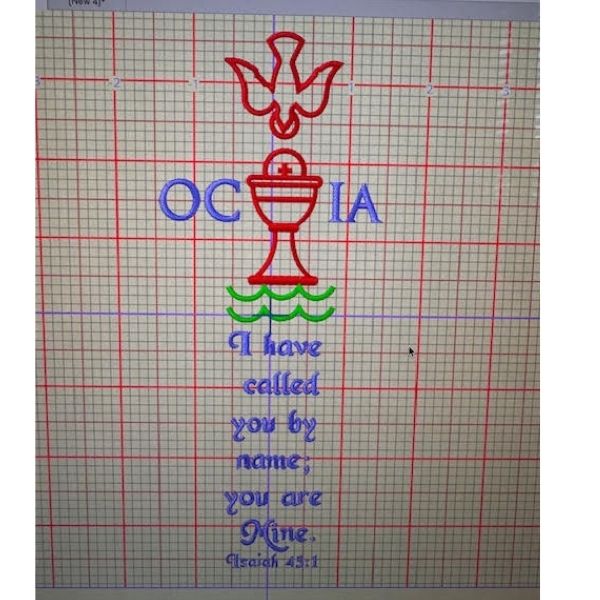
6 images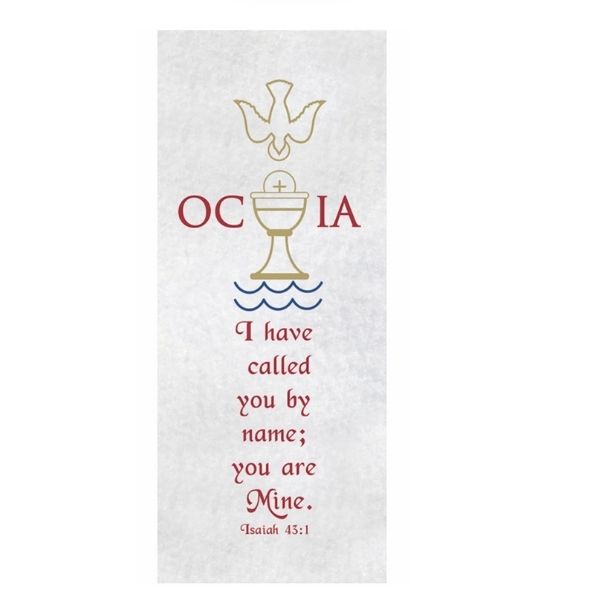


Copyright © 2026 Las Vegas Designs USA. All rights reserved.